

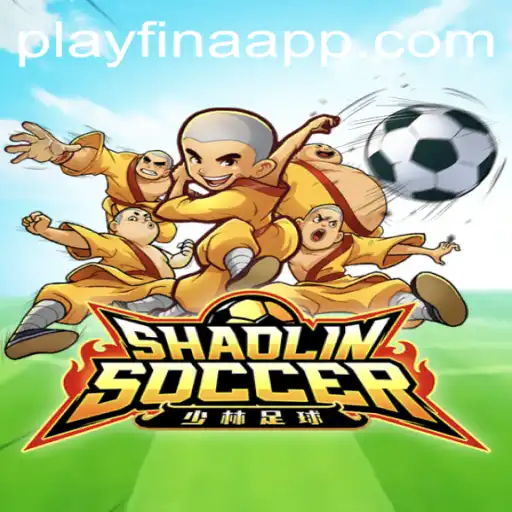
Shaolin Soccer: The Ultimate Fusion of Martial Arts and Football
In the dynamic realm of sports games, Shaolin Soccer stands out as a veritable fusion of martial arts and football. Leveraging the incredible skills of martial artists from the Shaolin tradition, this game redefines the boundaries of athletic competition. Spectators are treated to a mind-boggling array of acrobatics, strength, and precision that elevate the beautiful game to a new zenith.
Introduction to Shaolin Soccer
The concept of Shaolin Soccer may seem like a fantastical array, but it is deeply rooted in creativity and innovation. The game was first popularized by media portrayals that showcased this unique blend of sports and spirituality. With a massive fan base, it has inspired real-life adaptations and even local league creations. The cultural phenomenon continues to appeal to enthusiasts of both football and martial arts, transcending geographical and linguistic barriers. The recent resurgence in popularity is partly due to modern adaptations and international events.
The Core Mechanics of the Game
At the heart of Shaolin Soccer lies its unique gameplay that marries discipline and excitement. The game features two teams, each comprising six players with one acting as the goalkeeper. The rules are similar to traditional football, where the primary aim is to score goals against the opponent. However, where Shaolin Soccer diverges is in integrating martial arts techniques as legitimate and tactical maneuvers on the field. From flying kicks to whirlwind spins, each player possesses a special skill rooted in Shaolin disciplines.
The Role of Shaolin Techniques
Each player in Shaolin Soccer is associated with a particular Shaolin Kung Fu technique, empowering them with specialized abilities that can turn the tide of a match. Common moves include the "Cyclone Kick," "Iron Headbutt," and the mesmerizing "Dragon's Breath". These moves not only add flair to the game but also introduce strategic layers that captains and team members must navigate with precision.
Rules and Regulations
While Shaolin Soccer retains certain aspects of traditional football, it involves distinct rules that govern the use of martial arts techniques. A well-documented rule is the "58 win" strategy, where a team must combine a series of 58 strategically planned maneuvers to secure victory. Such complex rules necessitate keen strategic planning, a hallmark of Shaolin discipline. Players are expected to use their techniques within ethical bounds, ensuring the safety and integrity of the sport.
The "58 Win" Strategy
The "58 win" is pivotal in Shaolin Soccer's strategy. It encompasses various offensive and defensive plays choreographed to perfection. This strategy is likened to a chess game, where each piece moves with purpose and coordination. Achieving a "58 win" is considered a significant accomplishment, reflecting not just the physical capabilities of the players but also their mental acumen. The tactical prowess required to execute such a strategy cements Shaolin Soccer's status as a game of intellect as much as physicality.
The Appeal and Cultural Impact
Shaolin Soccer appeals to a diverse audience due to its mixture of traditional martial arts and modern competitive sports. Its showcasing of power, speed, and elegance resonates with those who appreciate athleticism and strategic gameplay. In recent years, there has been a noticeable surge in international interest, with tournaments being organized to celebrate this exciting sport. It acts as a global ambassador for the rich heritage of martial arts and acts as a bridge between cultures.
Current Events and Developments
In the sporting world today, Shaolin Soccer is experiencing a modern renaissance. Countries from various continents are establishing leagues and including Shaolin Soccer in major sports festivals. This growing interest provides opportunities for economic development and cultural exchange, further proving the game's universal appeal. Associations and enthusiasts are banding together to create standardized rules to facilitate international competitions, thus formalizing the sport.
In addition, the advent of digital platforms and social media has allowed the game to reach younger, tech-savvy audiences. Aspiring players can learn techniques online, participate in virtual tournaments, and even simulate the game through popular gaming consoles. As communities continue to embrace this sport, more venues are being dedicated to training and hosting Shaolin Soccer events.
Furthermore, educational programs are being integrated to teach the philosophical underpinnings of Shaolin disciplines, emphasizing respect, honor, and dedication. This contributes to the sport's reputation as not just entertaining, but also enriching in terms of personal and communal development.
Shaolin Soccer's synthesis of ancient art and modern sport continues to captivate a global audience. This unique game embodies an innovative spirit that challenges traditional conceptions and paves the way for new, dynamic forms of entertainment and competition.