

Loteria: A Cultural Phenomenon
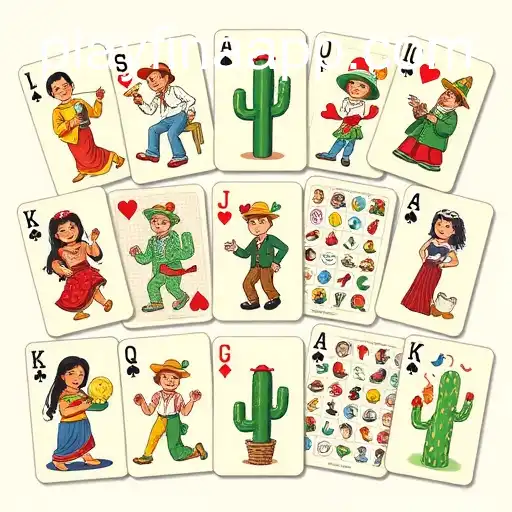
Loteria, a traditional game of chance similar to Bingo, is deeply rooted in the cultural tapestry of Mexico. Originating in Italy in the 15th century, it traveled across Spain and eventually made its way to Mexico in the late 18th century. The game is known for its vibrant illustrations on cards, each representing different symbols or characters, which are essential to its charm and allure.
The Mechanics of the Game
At its core, Loteria involves a deck of 54 unique cards and player tablas, which are similar to Bingo cards but feature a grid of images instead of numbers. During the game, a caller announces cards drawn randomly from the deck by mentioning the card name or a short riddle. Players mark their tablas with tokens whenever they have a matching card. The first player to complete a predetermined pattern and shout “¡Lotería!” wins the game.
The Cultural Significance of Loteria
Loteria is more than a simple pastime; it is an activity that reflects traditions, folklore, and aspects of everyday life in Mexican culture. The imagery on the cards often depicts characters like “El Borracho” (The Drunk), “La Dama” (The Lady), or “El Catrín” (The Gentleman), each echoing societal archetypes and customs. The game is a staple at family gatherings, fiestas, and community events, bringing together people from various generations.
Symbolism and Visuals of Loteria Cards
The cards in the Loteria deck are not just numbers; each holds a visual and symbolic essence that resonates deeply with players. The inherent cultural symbolism of the cards such as “La Sirena” (The Mermaid) and “El Nopal” (The Cactus) provide a narrative element, forming a bridge between simple gameplay and cultural storytelling. These images often serve as conversation starters and a means of imparting traditional values to younger generations.
Analyzing the '58 Win'
A recent cultural trend within the Loteria community is the fascination with achieving a '58 win.' In Loteria, number 58 is not a specific card but refers to a collective understanding or strategy players adopt in aiming for victory in game situations where 58 moves, or incremental plays, bring a win. This concept has gained traction as players delve into the strategical depths of the game, analyzing the averages and building tactics around such statistics.
Enigma of the '58 Win'
The ‘58 win’ has sparked much discussion among dedicated players and gaming theorists. To some, it's a mythological mark of an optimal play strategy, sparking debates and strategies aimed at reaching this game milestone. It's akin to the perfect chess move or achieving a hole-in-one in golf, a symbol of excellence and mastery in the art of Loteria.
Tactical Approaches to the '58 Win'
Apart from its cultural implications, the ‘58 win’ represents a mathematical curiosity. Players aspiring toward this achievement analyze previous game data, study patterns, and apply statistical modeling to determine the best approach during gameplay. While statistical favorability does not guarantee success, the pursuit introduces an intellectual dimension to what is traditionally a luck-based activity.
The Loteria Experience
The experience of playing Loteria goes beyond winning or losing. It's about the joy of participation and the shared moments that players experience. For many, it includes the lively banter, the tension as only one card remains, and the collective anticipation of a win. As the structure is set upon cultural roots, the celebration of a ‘58 win’ isn’t only a tactical accomplishment but part of shared heritage, carrying forward the legacy of traditional Mexican culture.
To summarize, the timeless appeal of Loteria lies in its blend of chance, strategy, and cultural significance. The game's evolution from simple local entertainment to a subject of intricate strategy and a cultural emblem reflects its profound impact on community and identity. Pursuing the elusive '58 win' is just one aspect that encapsulates the passion and faithfulness of those who cherish this game.